In a world where everything is performative, can healthcare be added into the mix as well?
The new status symbol
We have all heard about hustle culture: the phenomenon where you overexpose yourself to your ambitions, work endlessly, and remain in a constant flow of productivity. With the rise of both AI tools and AI entrepreneurs, hustle culture remains an integral part of society. However, something new has been rising for a while now: something that is both the antithesis to a deliberately overloaded work day and its partner in an adjacent industry: performative healthcare.
For one to understand how health can be performative, one must first dive into the idea that hustle culture is nothing but a nicely packaged coping mechanism for a global economy that has constantly let down its younger generations. Everyone is working 24/7 because that's what everyone feels like it takes to get ahead these days. But here's the thing: there's no status in working so hard all the time. Quite the opposite, in fact. Real status lies in having both the time and money to devote to activities one might consider unnecessary (like a VO2 Max test perhaps?).
What is performative healthcare?
Performative healthcare refers to healthcare that is a) not imperative to your general health at this moment or in the semi-long run, and b) healthcare that is an add-on from your current state of being. That is, it's meant to improve the areas of your body and biology that may be lagging but are not critically impaired. Think peptide therapy for muscle recovery, NAD+ infusions for cellular rejuvenation, continuous glucose monitoring for the non-diabetic, or comprehensive hormone panels when you feel perfectly fine.
This isn't the healthcare of necessity. It's the healthcare of optimisation. And optimisation, by its very nature, is a luxury. You need to already be healthy enough, wealthy enough, and time-rich enough to pursue it. The person struggling to afford their insulin isn't booking a longevity consultation. The single parent working two jobs isn't scheduling monthly vitamin infusions.
Performative healthcare has become the new luxury handbag: a visible, socially recognisable marker that you've transcended basic survival and entered the realm of enhancement. But unlike a Birkin bag, this status symbol comes wrapped in the language of wellness, self-care, and taking control of your biology. It's consumerism with a lab coat.
The economics of enhancement
The mathematics of performative healthcare reveal its exclusivity. Longevity clinics charge anywhere from $5,000 to $25,000 annually for comprehensive programs. Peptide therapies run $300 to $1,500 per month.
But the real cost isn't just financial. It's temporal. To engage with performative healthcare requires the time to research protocols, attend appointments, track biomarkers, adjust interventions, and integrate complex wellness routines into daily life. It requires the cognitive bandwidth to optimise when others are simply trying to function. You need the luxury of caring about your VO2 max when your basic needs are already met.
This creates a two-tiered health system that mirrors and amplifies existing inequality. On one tier, people access preventative care and manage chronic conditions. On another, people pursue enhancement and life extension. The gap between these tiers is growing, and it's being filled by a burgeoning industry that's learned to monetise the anxiety of aging and the aspiration of optimisation.
The social currency of biohacking
Walk into any upscale coffee shop in the Sydney Eastern Suburbs, and you'll hear conversations about hormone replacement protocols, rapamycin regimens, and the latest longevity research. Knowing your inflammatory markers is the new knowing wine regions. Discussing your peptide stack is the new discussing your investment portfolio.
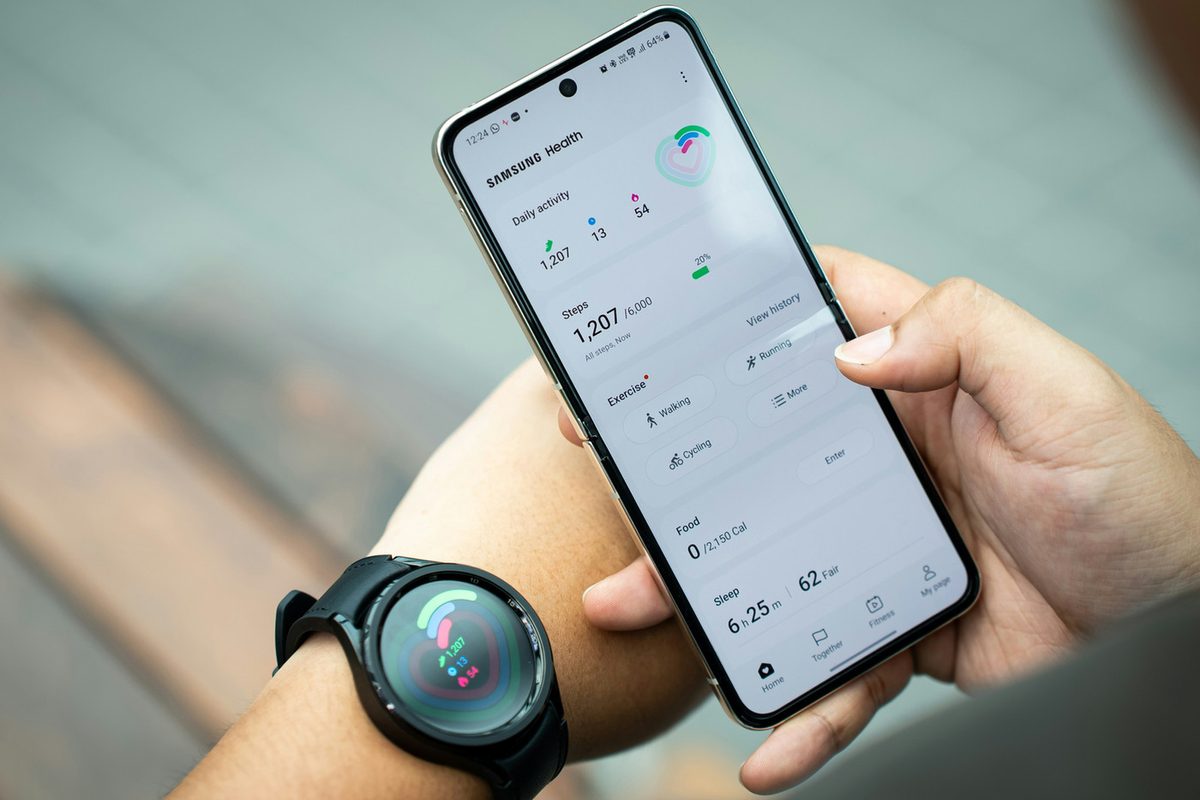
Social media has accelerated this performativity. Instagram feeds showcase IV drip appointments, meticulously prepared supplements arranged like still-life compositions, and Apple Watch screenshots displaying enviable biometrics. LinkedIn influencers share their morning routines that include red light therapy, deliberate cold exposure, and fasting protocols. The message is clear: I have optimised myself, and therefore I have arrived.
This performance serves multiple functions. It signals wealth and access. It demonstrates knowledge of cutting-edge science (whether that science is robust or not). It shows you're forward-thinking and taking control of your destiny. Most importantly, it separates you from those who are merely maintaining health rather than transcending it.
But there's something darker beneath the surface. This performativity often masks a deep anxiety about mortality and irrelevance. In a world where AI threatens to obsolete entire categories of human work, where economic mobility has stalled, and where traditional markers of success feel increasingly hollow, controlling your biology becomes one of the few domains where individual effort seems to matter. If you can't guarantee your financial future, perhaps you can guarantee a few extra healthy years. It's control in an age of uncontrollability.
How longevity and peptide clinics should build their brand identities
If longevity and peptide clinics are catering to this emerging status economy (and make no mistake, they are), then their branding must walk a delicate line. They need to signal exclusivity without alienating, promise transformation without overpromising, and leverage the performative aspects of their service while maintaining medical credibility.
First, embrace aesthetic sophistication. These clinics cannot look like traditional medical offices. The waiting room with fluorescent lighting and year-old magazines signals necessity, not aspiration. Successful longevity clinics understand they're competing with luxury hospitality, not urgent care. Think boutique hotel lobbies, not hospital corridors. Subdued lighting, natural materials, spaces designed for contemplation rather than efficiency. The environment itself must communicate that this is a place where time moves differently, where you're investing in yourself rather than treating a problem.
Second, cultivate intellectual credibility wrapped in accessible language. The clientele for these services is educated and research-literate, but not necessarily medically trained. Branding must demonstrate scientific rigour (published research, credentialed practitioners, evidence-based protocols) while making the complex feel comprehensible. This is where content marketing becomes crucial. White papers, podcast appearances, detailed blog posts explaining mechanisms of action. The brand identity should position the clinic as a translator between cutting-edge longevity science and practical application.
Third, build community, not just clientele. Status symbols only function when they're recognisable to the right audience. Smart longevity clinics create ecosystems around their services: exclusive events, member-only programming, peer networks of fellow optimisers. This transforms the service from transactional to tribal. You're not just buying peptides; you're joining a cohort of people who've decided to take longevity seriously. This community aspect amplifies the social currency and creates organic word-of-mouth within high-net-worth networks.
Fourth, leverage data and personalisation. Generic wellness is out; bespoke optimisation is in. Branding should emphasize the depth of testing, the sophistication of analysis, and the personalisation of protocols. Dashboards, detailed reports, tracked biomarkers over time: these become part of the product. Clients want to feel they're receiving something uniquely calibrated to their biology, not a one-size-fits-all approach. The brand identity should scream precision and individuality.
Fifth, carefully manage the wellness-versus-medical positioning. This is perhaps the most crucial branding challenge. Go too far toward medical, and you lose the aspirational appeal: you become associated with illness rather than enhancement. Go too far toward wellness, and you risk seeming unserious, pseudoscientific, or worse, non-compliant. The sweet spot is medical-grade wellness (complaint, of course): physician-led but lifestyle-focused, evidence-based but forward-looking, clinical but not clinical.
Finally, tell transformation stories strategically. Before-and-after narratives are powerful, but they must be handled carefully. The most effective branding doesn't lead with extreme cases or desperate transformations. That signals necessity, not luxury. Instead, showcase successful, already-healthy individuals becoming more vital versions of themselves. The executive who optimised energy performance. The athlete who extended their competitive years. The parent who wants to stay energetic for their grandchildren. These stories position the service as enhancement for the already-winning, not rescue for the struggling.
The ethical precipice
None of this is to say that longevity research is worthless or that pursuing enhanced healthspan is morally wrong. The science of aging is producing genuine breakthroughs, and many interventions showing promise in clinical trials may eventually become standard care. The problem isn't the research. It's the commodification and the inequality it creates and reflects.
When healthcare becomes a status symbol, we've fundamentally misunderstood the purpose of medicine. Health should be a right, not a luxury good. The fact that we've created an entire industry around enhancement while millions lack basic preventative care reveals a society that has abandoned collective wellbeing for individual optimisation.
Moreover, the performative aspect degrades the potential value of longevity interventions. When the primary function of your peptide protocol is social signaling rather than genuine health improvement, we've entered a realm of pure conspicuous consumption dressed up in scientific language. It's Veblen goods with injection protocols.
Next steps
But all of this is not to say that brands wanting to enter or scale this market are inherently bad. Not at all. These businesses have a place and here, in Australia, we're quite lucky to have protection in the form of strict advertising regulations.
So, if you're a brand building in this space and want to discuss how to take your growth to the next level (compliantly), you can schedule a 30-minute call with one of our strategy team members.